Signs of Roof Damage (Even If You Don’t See a Leak)
Signs Your Roof Was Damaged After a Storm in Texas
Why Storm Damage Isn’t Always Obvious
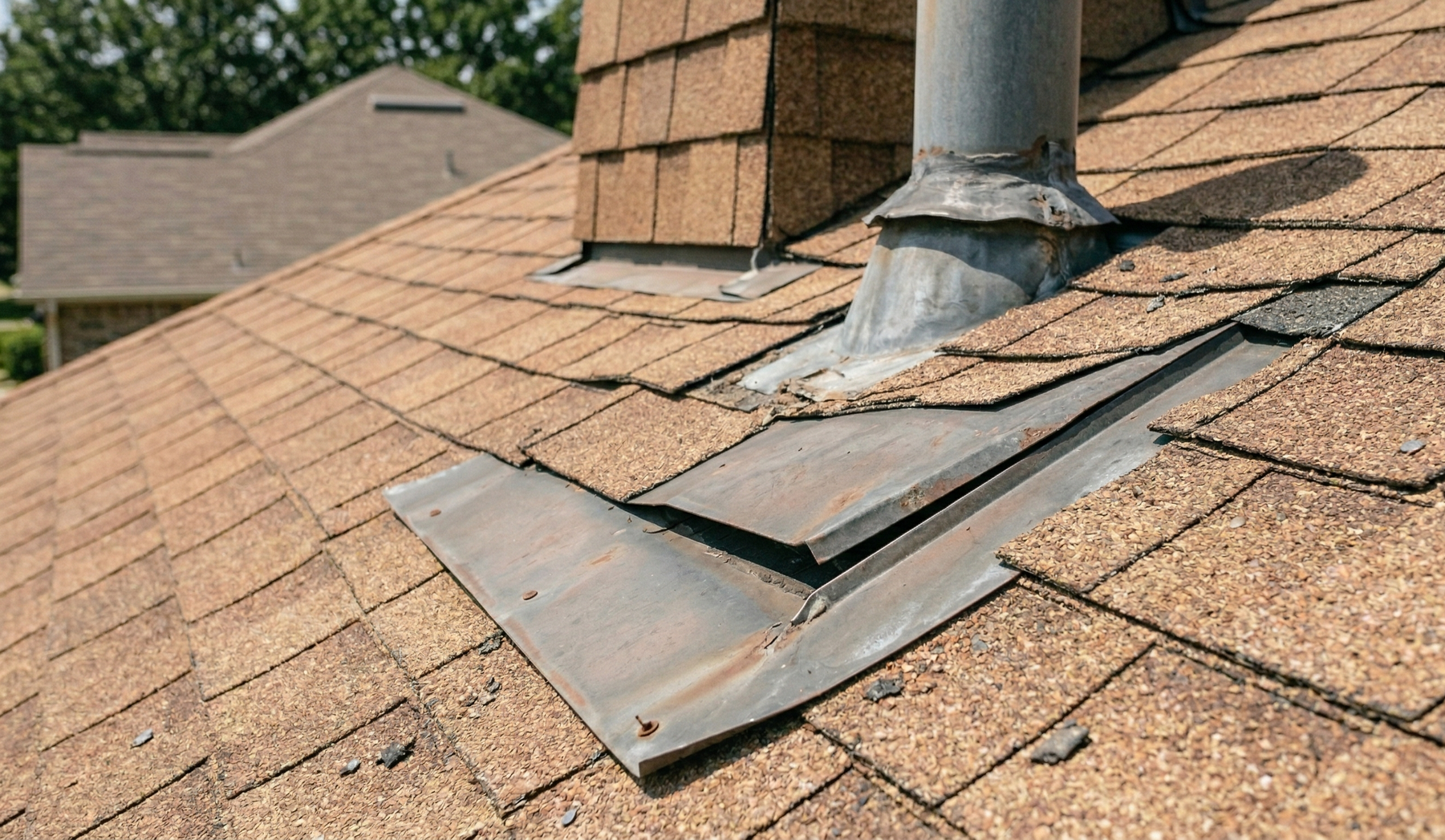
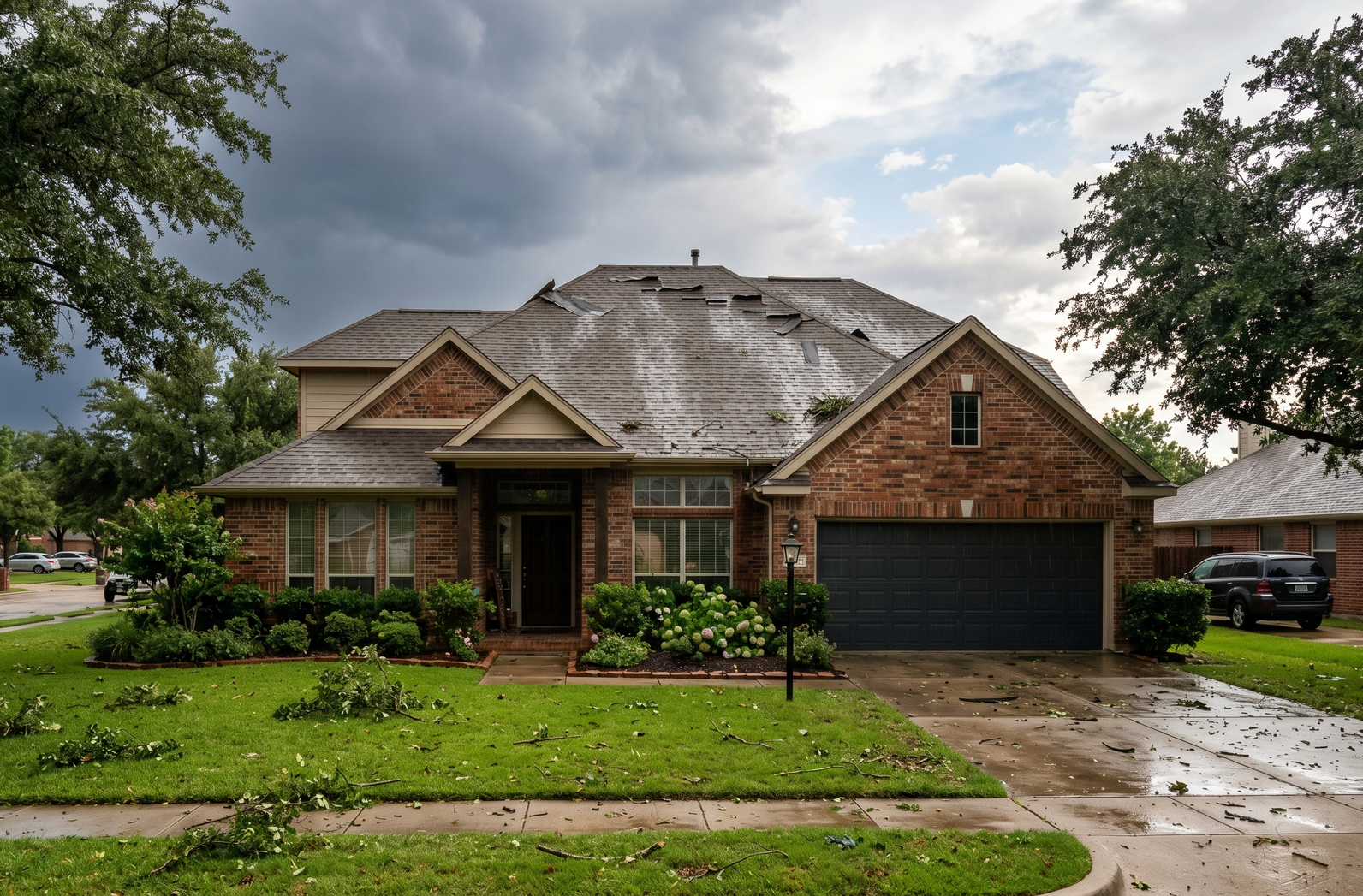
Storm damage doesn’t always create immediate problems inside your home. Wind can loosen shingles without removing them, and hail can weaken protective layers without causing visible holes. These issues may not show signs until weeks later—often during the next storm.
Common hidden storm damage includes:
- Shingles that are lifted but not missing
- Granule loss that reduces protection
- Small cracks from hail impact
- Loosened flashing around vents and chimneys
- Minor separations that allow slow water intrusion
Because these issues develop over time, many homeowners don’t realize there’s a problem until
repairs become more expensive.
Check for Subtle Shingle Damage
Your shingles are your roof’s first line of defense. After a storm, even small changes in their condition can indicate damage.
Look for:
- Shingles that appear uneven or slightly lifted
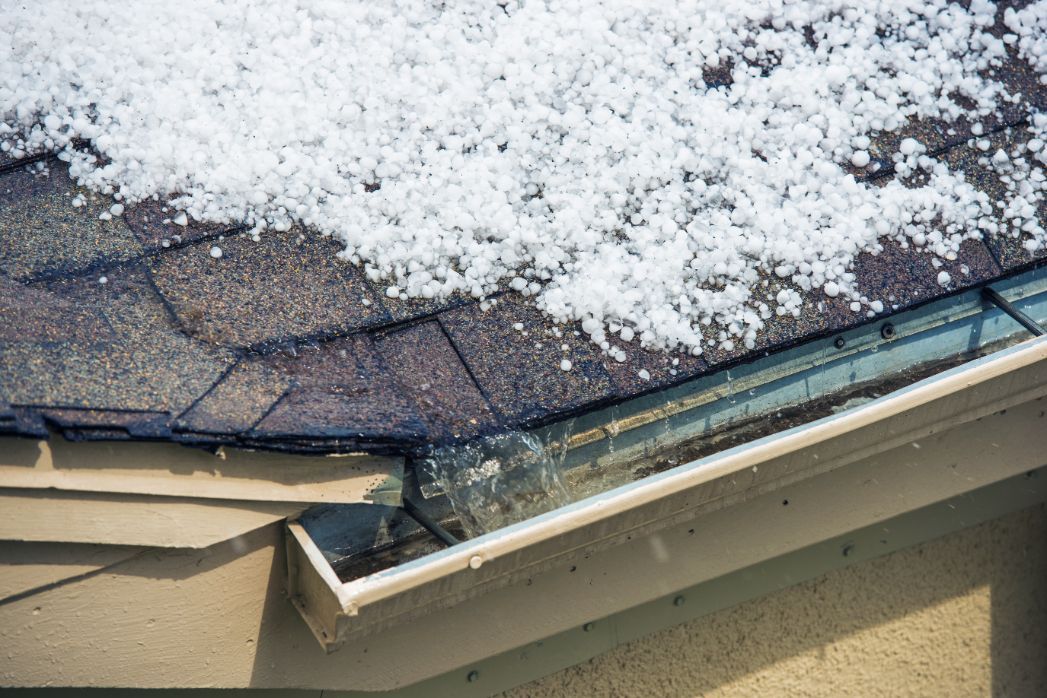
- Dark spots or bruising from hail impact
- Areas where granules have washed into gutters
- Edges that look curled or cracked
These signs may seem minor, but they can significantly reduce your roof’s ability to protect your home during the next storm.
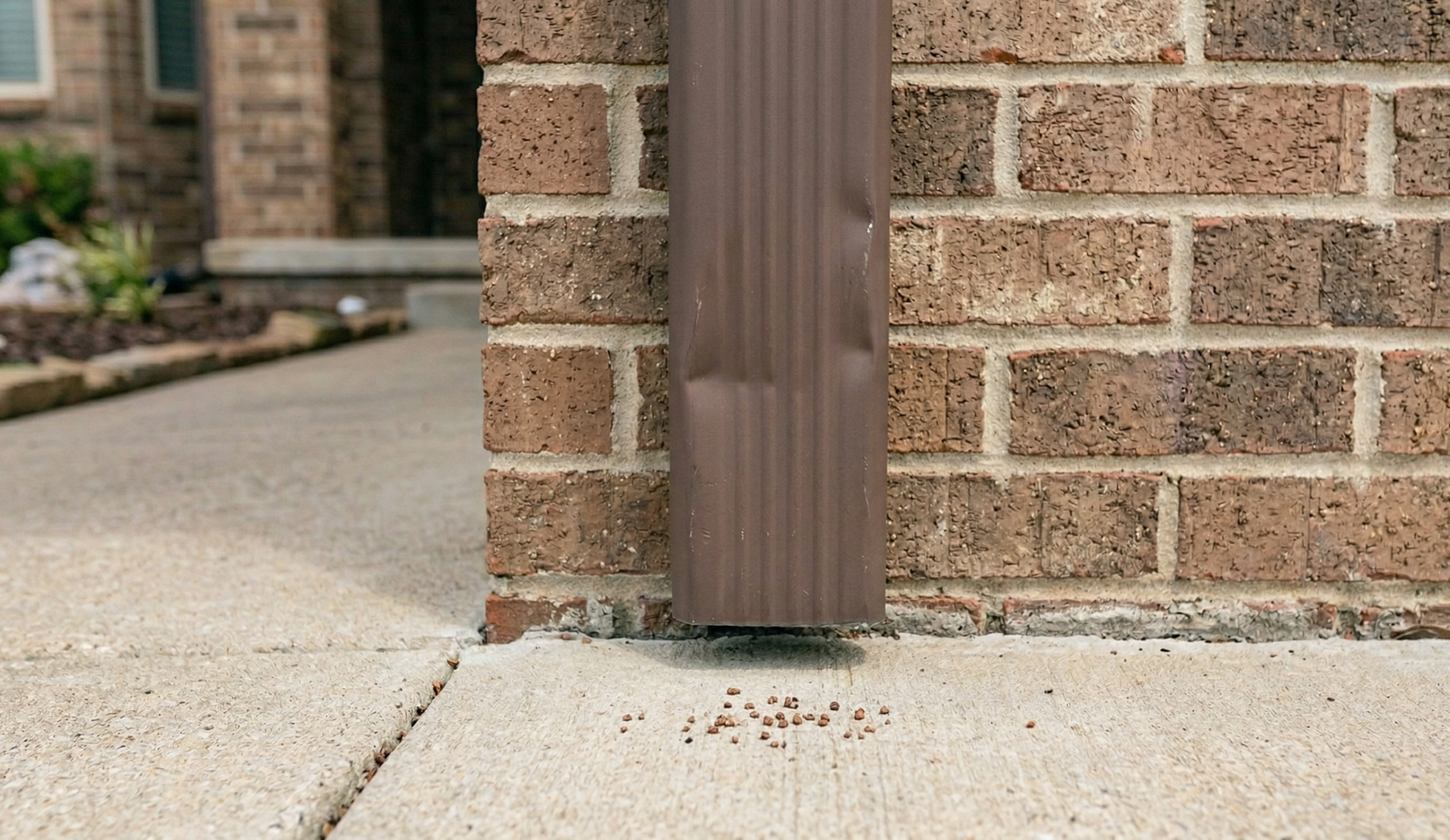
Inspect Your Gutters and Downspouts
Your gutter system often reveals signs of roof damage before the roof itself does. After a storm, check for changes in how your gutters look and function.
Warning signs include:
- Granules collecting in gutters or at downspouts
- Dents or impact marks from hail
- Loose or sagging sections
- Improper drainage or water overflow
If your gutters show signs of impact or debris buildup, there’s a strong chance your roof has also been affected.
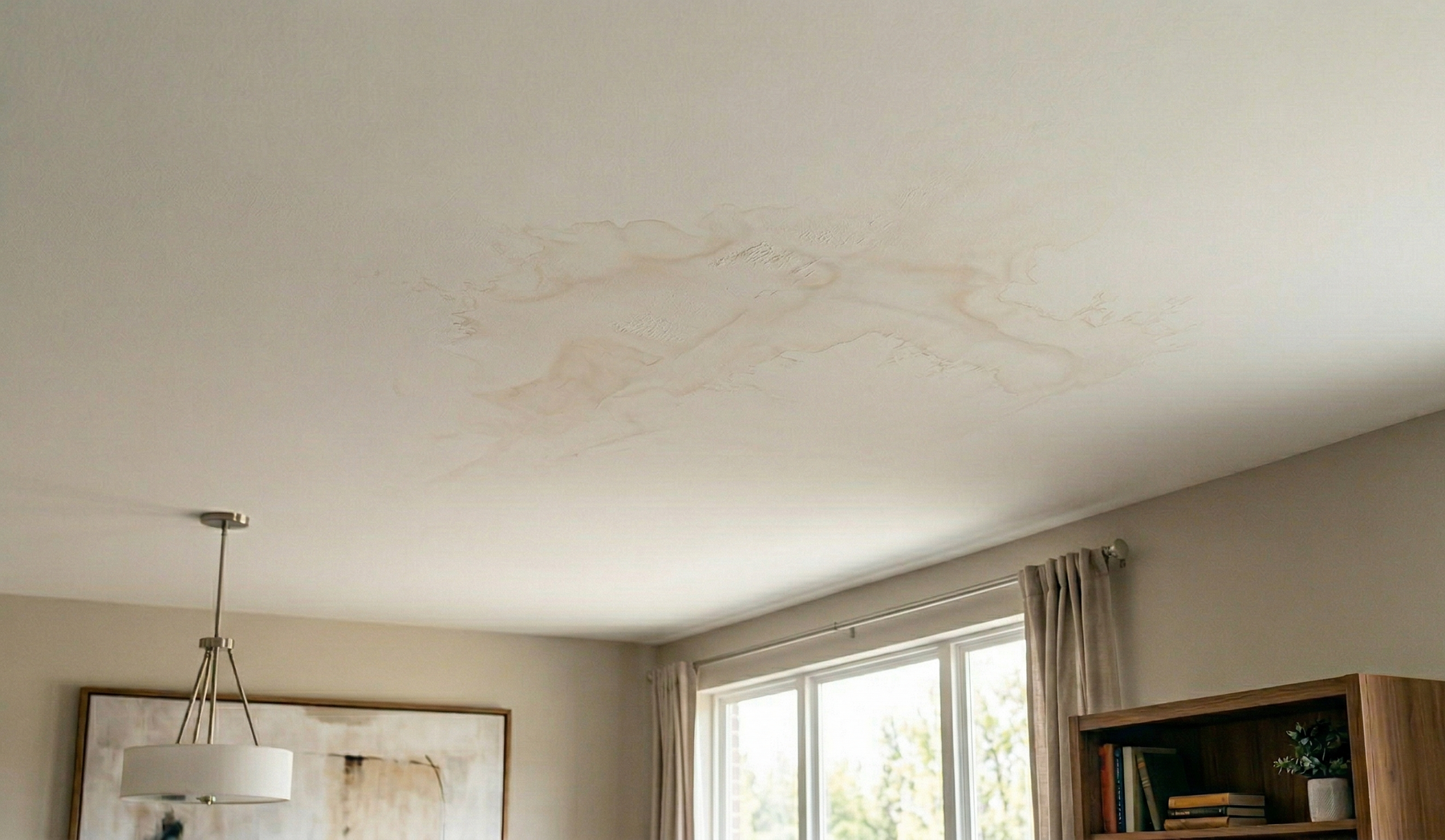
Look Inside Your Home for Early Warning Signs
Not all storm damage shows up outside. In many cases, the first indicators appear inside your home once moisture begins to work its way in.
Check for:
- Light water stains on ceilings or walls
- Damp insulation in the attic
- Musty odors or signs of mold
- Peeling paint near the ceiling
Even small interior changes can signal a developing roofing issue that should be addressed quickly.
Flashing and Roof Penetrations Are High-Risk Areas
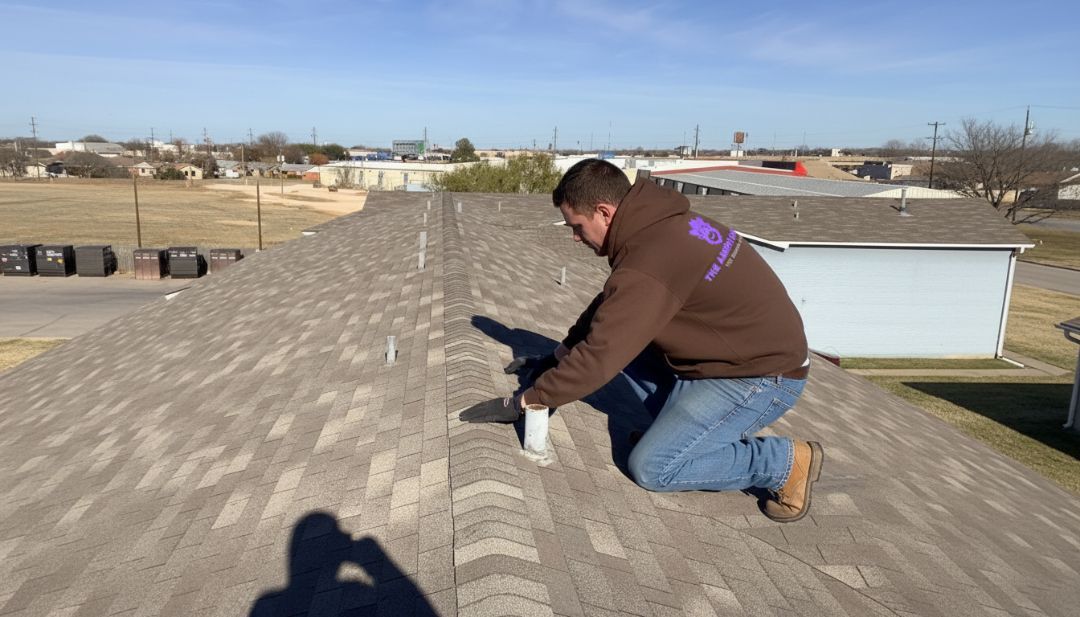
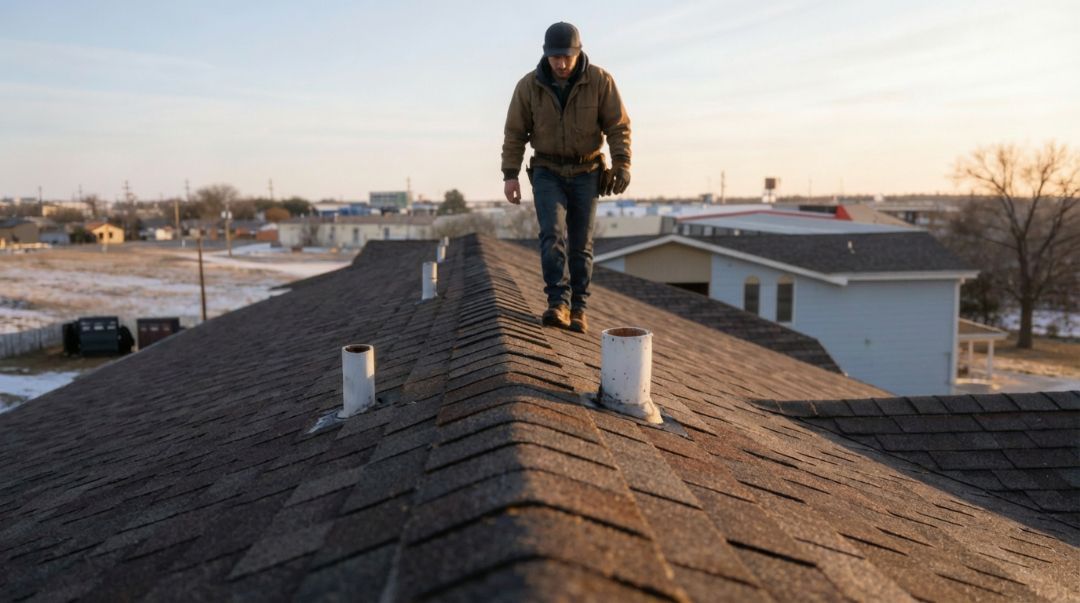
Flashing around chimneys, vents, skylights, and roof valleys is especially vulnerable during storms. These areas are designed to seal out water, but strong winds and hail can weaken those seals.
After a storm, flashing may:
- Lift slightly from the roof surface
- Crack under pressure or temperature changes
- Allow water to enter during heavy rain
Because flashing damage is difficult to see from the ground, it is often missed without a professional inspection.
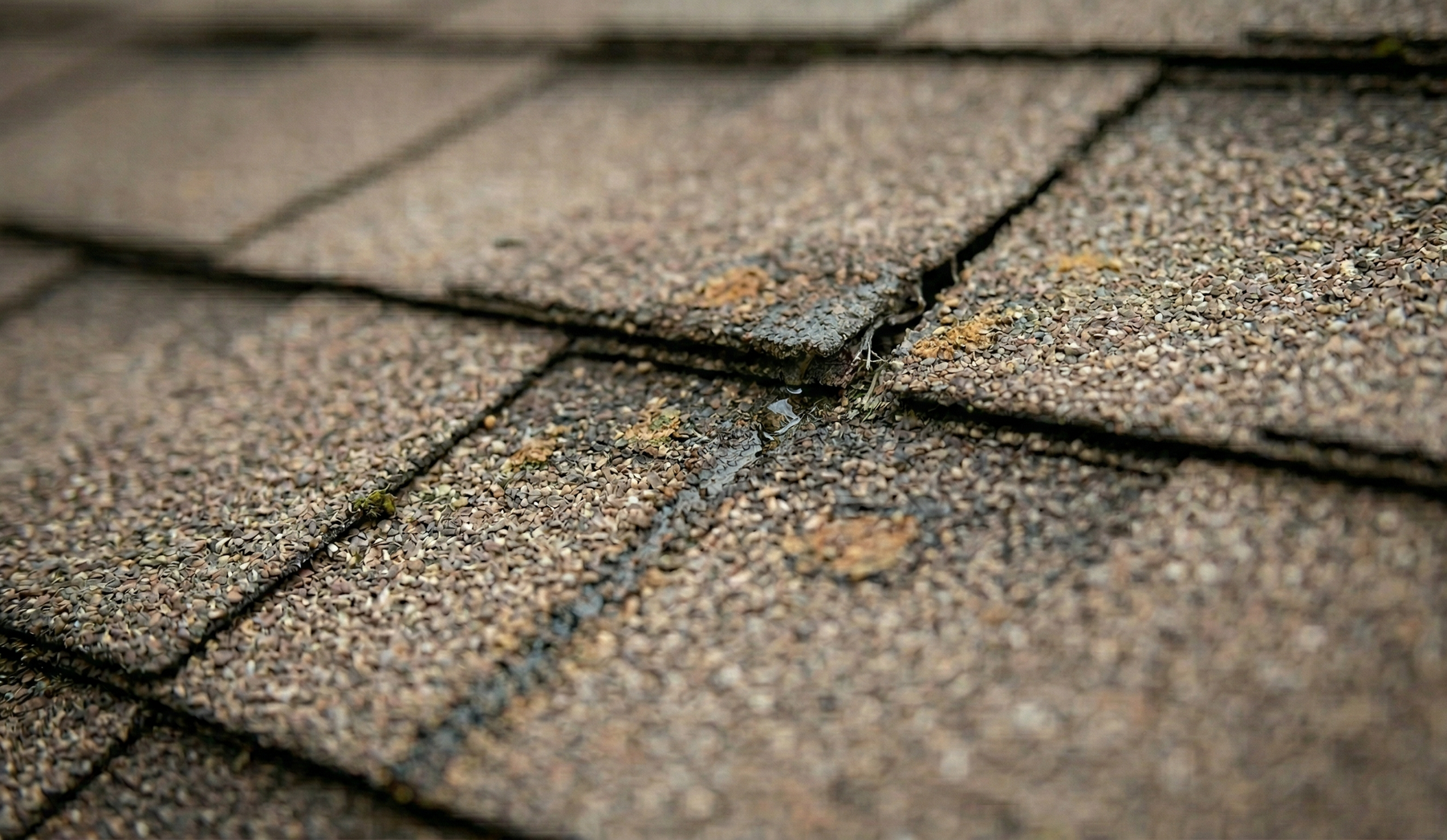
Damage Can Get Worse With Time
One of the biggest risks of storm damage is delay. What starts as a small issue can quickly grow into a larger roof repair problem, especially with repeated exposure to rain and wind.
Over time, minor damage can lead to:
- Active roof leaks
- Rotting roof decking
- Mold growth inside attic spaces
- Structural weakening
Addressing problems early helps prevent more extensive repairs and protects the long-term integrity of your home.
When to Schedule a Roof Inspection After a Storm
If your area experienced strong winds, hail, or heavy rain, scheduling a roof inspection is a smart next step—even if everything looks normal from the ground.
A professional inspection can:
- Identify hidden damage
- Determine whether repairs are needed
- Provide documentation for insurance purposes
- Help you avoid unnecessary future costs
Knowing the condition of your roof gives you clarity and confidence moving forward.
Protect Your Home Before the Next Storm Hits
Storms are a regular part of life in Texas, but roof damage doesn’t have to be. Taking action early can prevent minor issues from turning into major repairs.
The Amish Roofer provides professional roof inspections, storm damage assessments, and reliable roofing services in Decatur, TX and surrounding areas. Our approach is straightforward and honest—we evaluate your roof, explain what we find, and recommend only what is necessary.
If your home has recently been through a storm, don’t wait for a leak to appear. Schedule a professional roof inspection today and make sure your roof is ready for whatever comes next.
Roofing FAQ's
Q: How can I tell if my roof has storm damage without climbing on it?
A: Homeowners can often spot signs of storm damage from the ground by looking for missing, uneven, or damaged shingles; debris on the roof; or granules collecting in gutters. Inside the home, water stains on ceilings, musty odors, or damp attic insulation can also indicate damage. However, many issues are not visible without a professional inspection, which is the safest and most reliable way to assess your roof after a storm.
Q: Should I call a roofer or my insurance company first after a storm?
A: In most cases, it’s best to contact a professional roofing contractor first. A roofer can determine whether there is legitimate storm damage and provide documentation before you file a claim. This helps prevent unnecessary insurance claims and ensures you have accurate information when speaking with your provider.
Q: How soon should I have my roof inspected after a storm in Texas?
A: It’s recommended to schedule a roof inspection as soon as possible after a storm, especially if your area experienced hail, strong winds, or heavy rain. Even if there are no visible signs of damage, early inspections can identify hidden issues before they worsen and help protect your home from future leaks or structural problems.