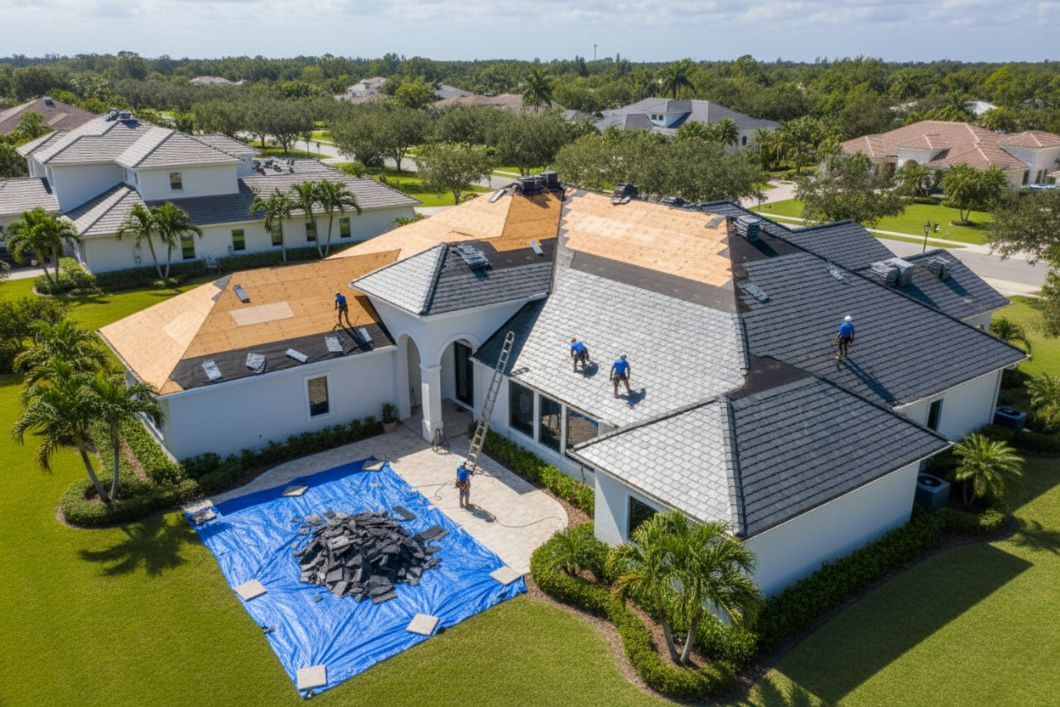
Freeze–Thaw Damage: What Texas Homeowners Should Know
Winter in North Texas brings more than cold mornings—it brings rapid temperature swings that quietly strain your roof. When a freeze-thaw cycle occurs, roofing materials repeatedly expand and contract. Over time, this natural movement can weaken shingles, loosen flashing, and create subtle gaps that allow moisture to penetrate the system. While this type of deterioration rarely appears overnight, it can lead to significant roofing issues if left unaddressed.
This guide explains how freeze–thaw patterns affect roofs in Texas, why thaw damage often goes unnoticed, and what preventive measures homeowners can take before problems turn into costly repairs.
How Freeze–Thaw Cycles Stress Texas Roofing Systems
Although Texas winters are mild compared to northern climates, our dramatic swings matter. After temperatures drop below freezing overnight, materials contract. When temperatures rise the next afternoon, those same materials expand. This repeated freezing and thawing places mechanical stress on roofing components.
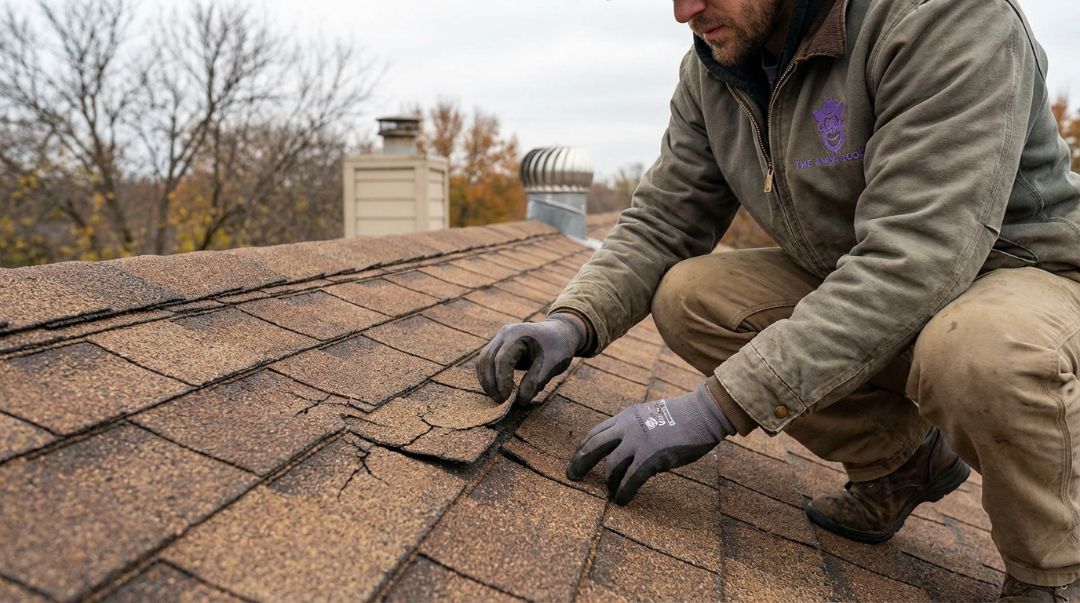
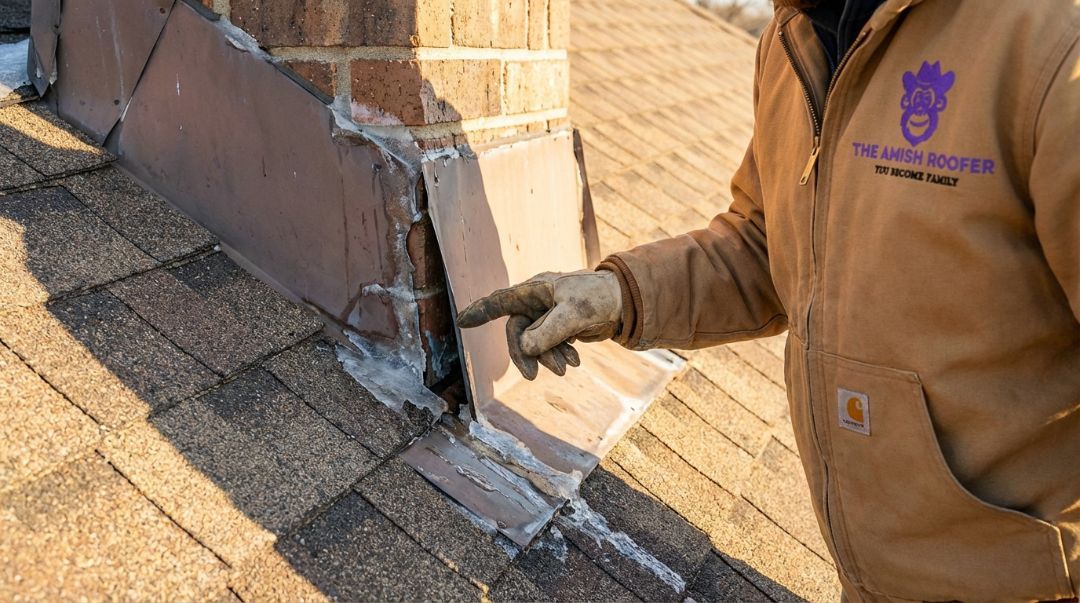
As a result, shingles may develop hairline fractures, protective granules can erode, and flashing systems may flex enough to break their seals. When water infiltrates these new openings and ice melts inside them, the damage accelerates. Over time, this cycle can threaten both the waterproofing layer and the structural stability of the roof deck beneath.
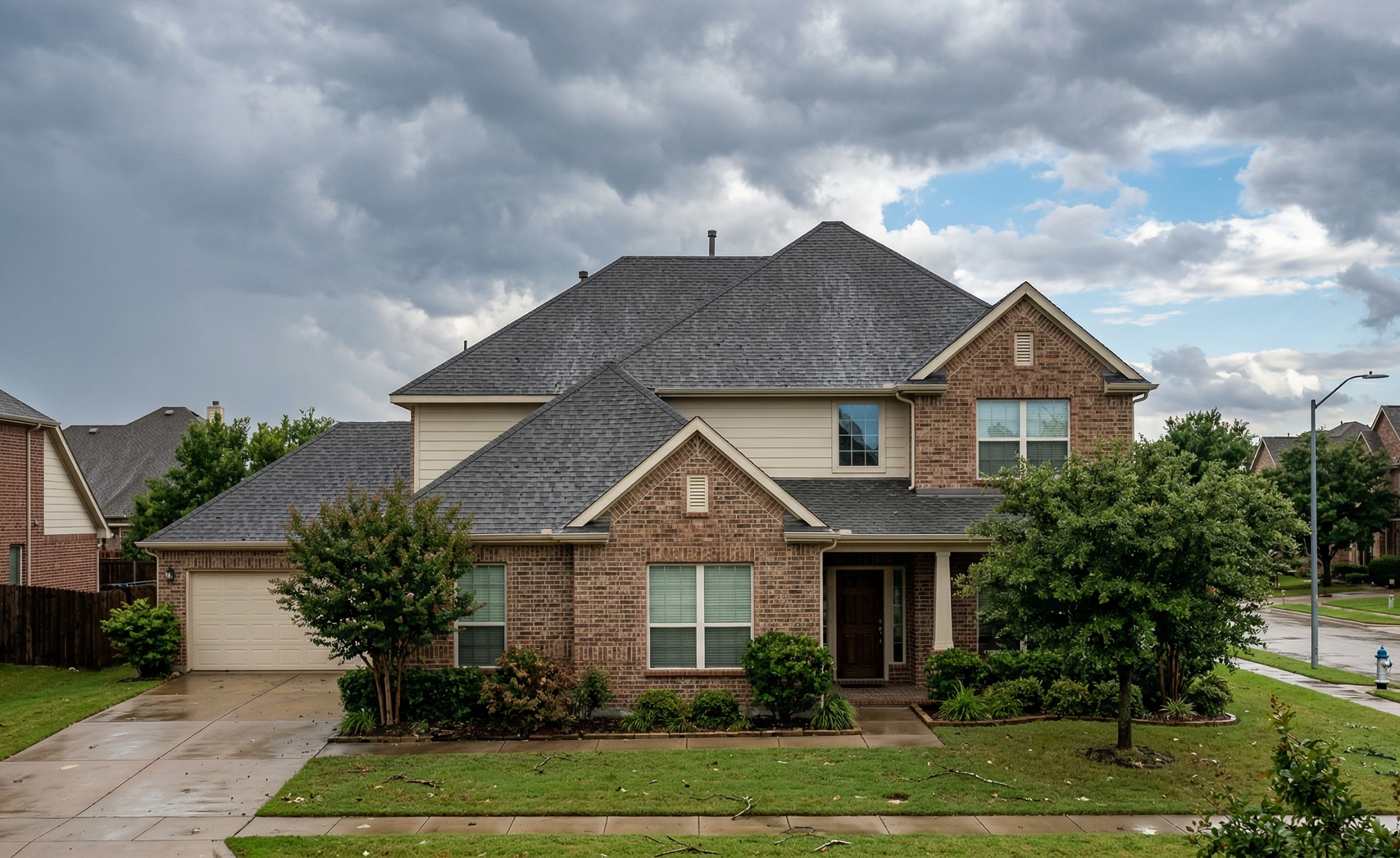
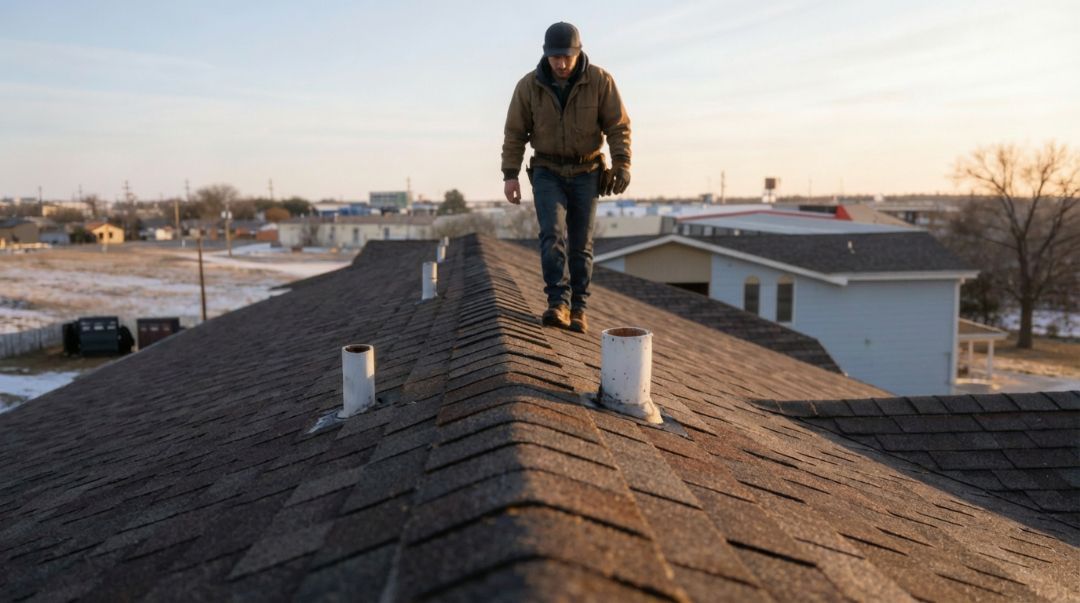
If you suspect underlying deterioration from past storms, consider scheduling a roof inspection to assess early signs before they progress.
Why Moisture Amplifies Freeze–Thaw Roof Damage
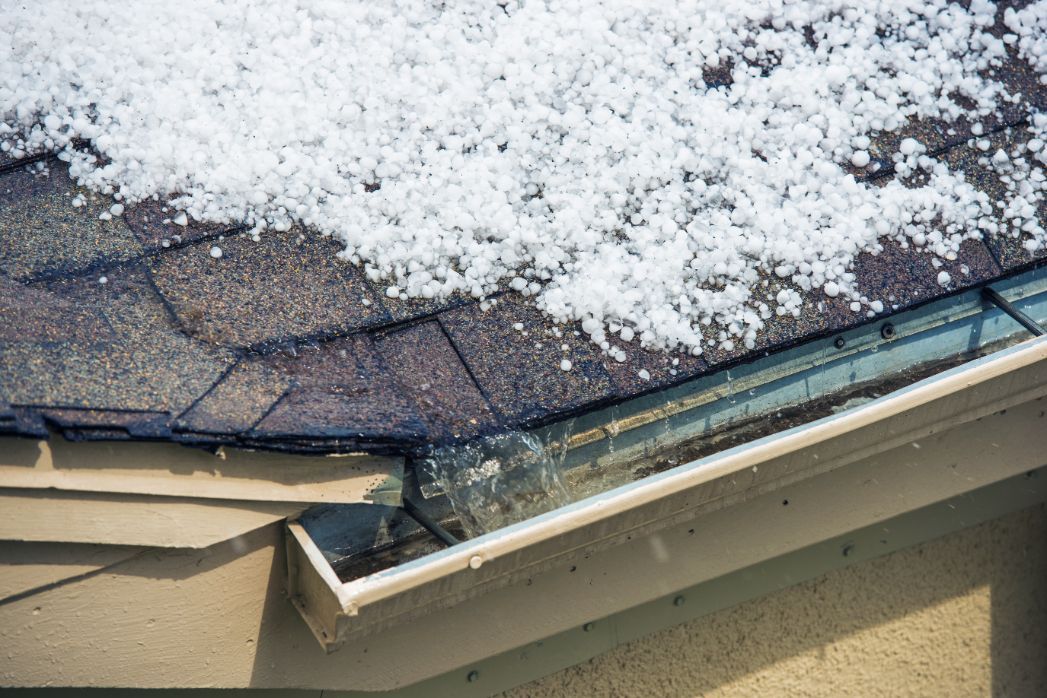
Water plays a critical role in winter roof deterioration. Even a small opening in shingles or flashing can allow moisture to seep into the underlying layers. When that trapped water freezes, it expands—widening cracks and pushing materials apart. As ice melts the next day, the newly created gap becomes a pathway for even more water infiltration during rain or condensation events.
This cycle continues until the weakened area becomes large enough to cause leaks, peeling paint, attic moisture, or interior staining. Homeowners sometimes don’t recognize the connection between minor winter weather and the more visible symptoms that appear weeks later.
If you notice any of these early indicators, our team offers roof repair services that address moisture intrusion before it spreads.
Material-Specific Vulnerabilities During Freeze–Thaw Seasons
Texas homes use a mix of asphalt, metal, tile, and synthetic roofing systems. Each material responds differently to rapid temperature changes:
Asphalt Shingles
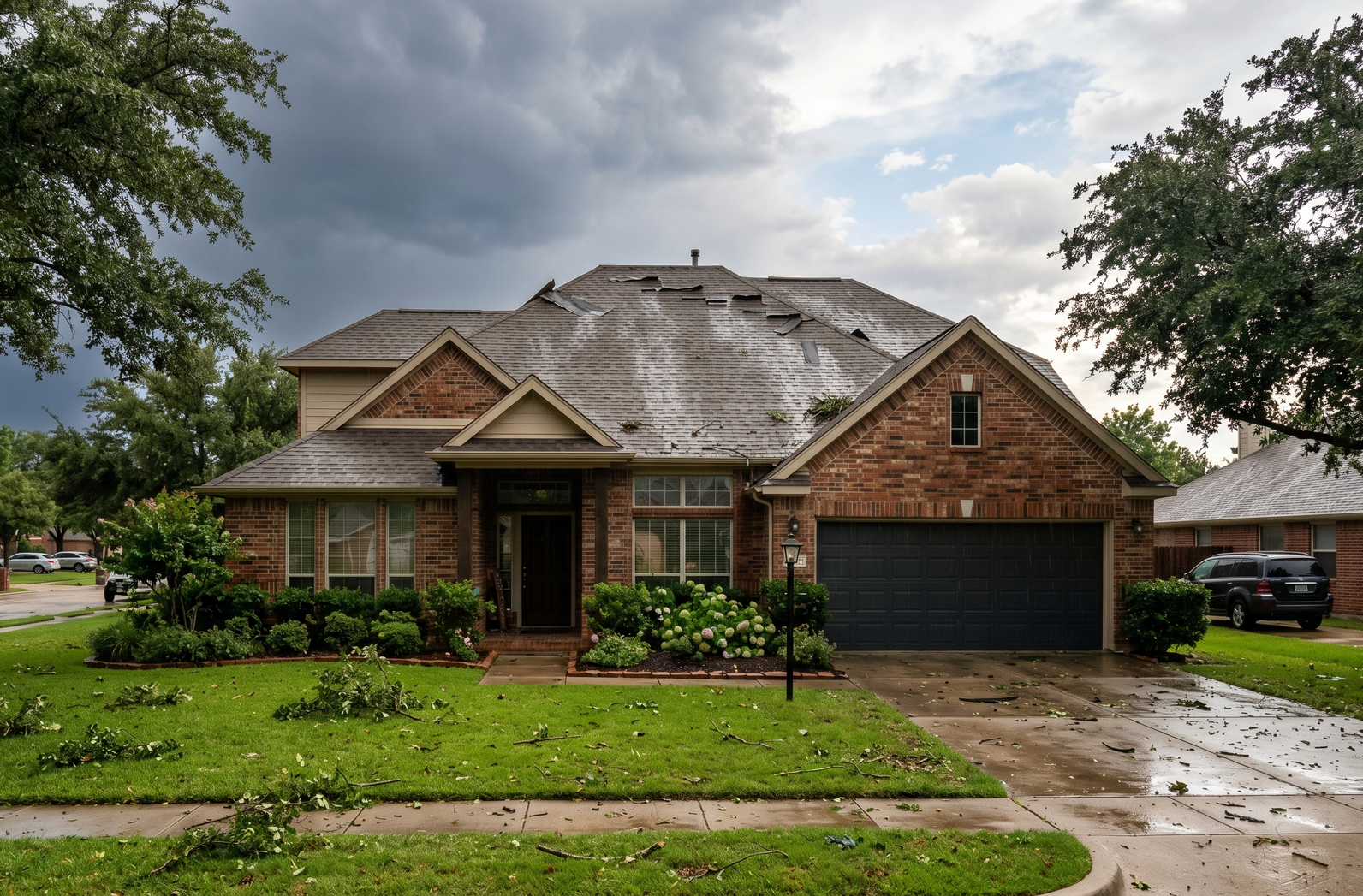
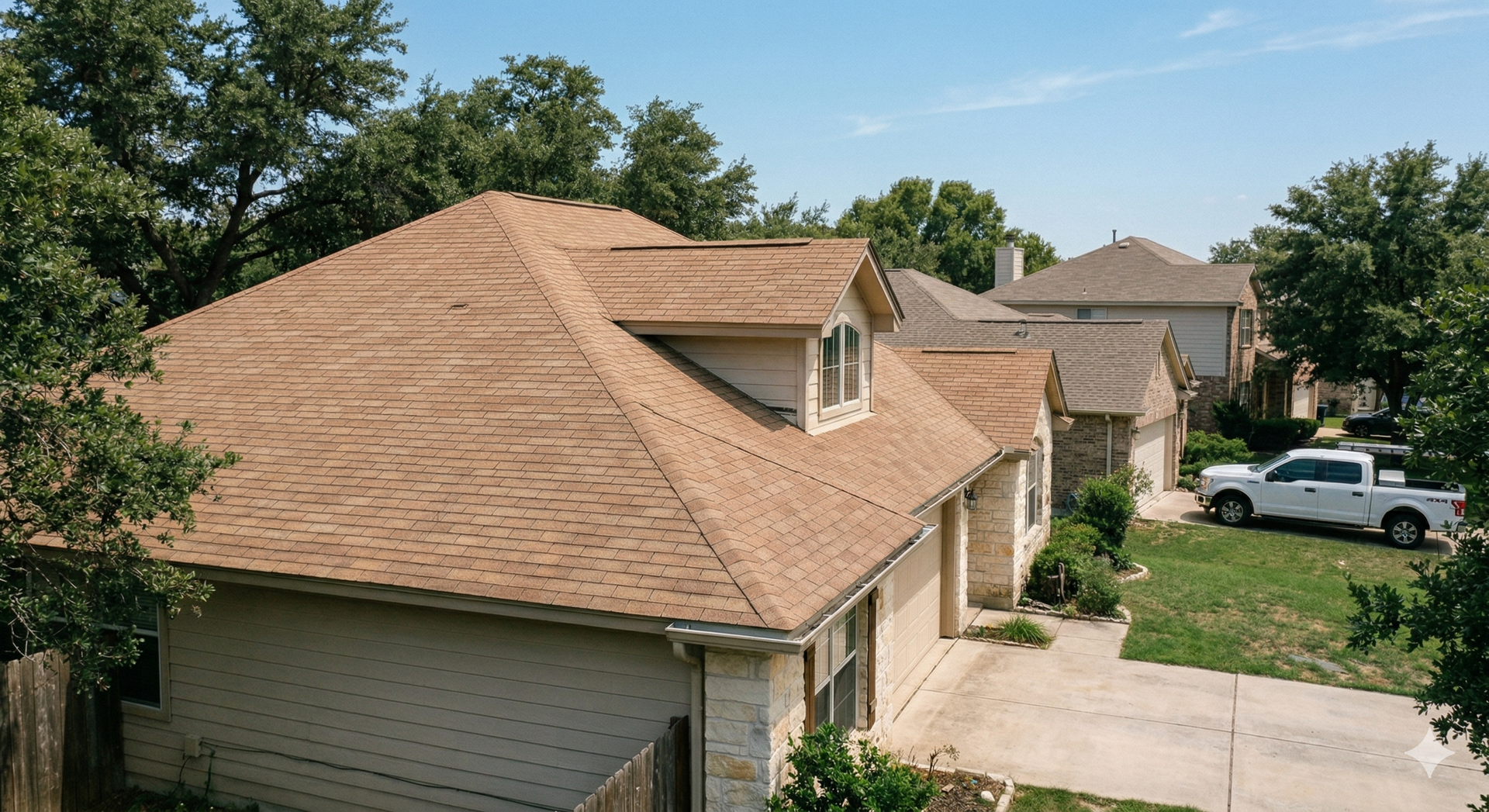
These are most susceptible to freeze–thaw deterioration. Shingles can become brittle, making it harder for them to seal cracks that develop as temperatures fluctuate. Small fractures may propagate across the surface, especially if the roof has prior hail bruising.
Metal Roofing
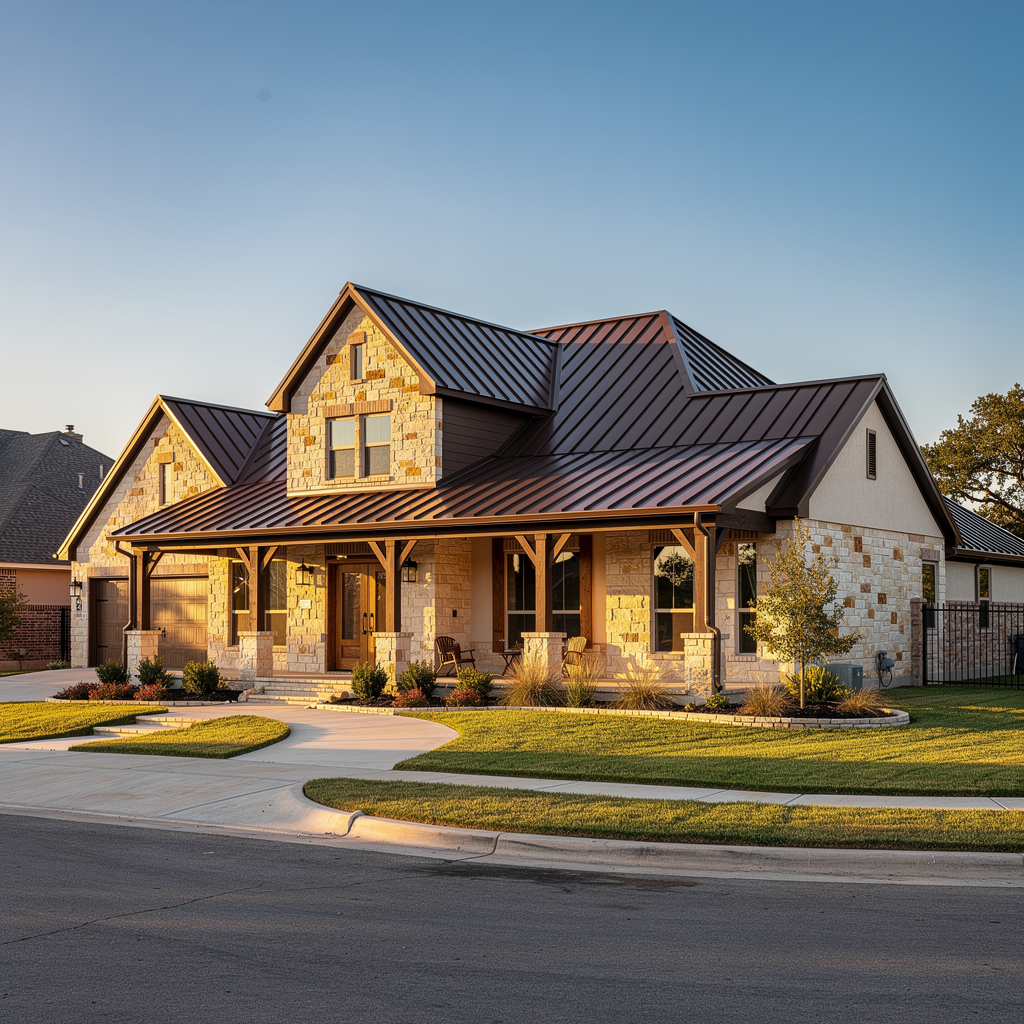
Metal roofs naturally expand and contract, but repeated cycles can loosen fasteners and create minor separations at seams if installation wasn’t optimal. While the panels themselves resist moisture, the movement can still allow water intrusion.
Tile Roofing
Tile is durable, but the underlayment beneath it can experience thaw damage when water infiltrates small vulnerabilities. The underlayment may wrinkle or tear, eventually affecting long-term performance.
If you're unsure which vulnerabilities apply to your home, our general roofing services cover every major Texas roof type.
Warning Signs North Texas Homeowners Should Monitor
Because freeze–thaw deterioration develops gradually, the symptoms may seem minor at first. Look for:
- Cracked or brittle shingles
- Missing granules or exposed substrate
- Flashing that appears lifted or separated
- Water stains on ceilings or upper walls
- Unusual drafts or heat loss
- Damp insulation or attic moisture
- Soft or uneven roof surfaces
These early indicators often appear after winter storms or significant cold fronts. Regular inspections are the most effective way to identify hidden moisture intrusion and prevent structural instability later.
Protecting Your Roof Through Preventive Measures
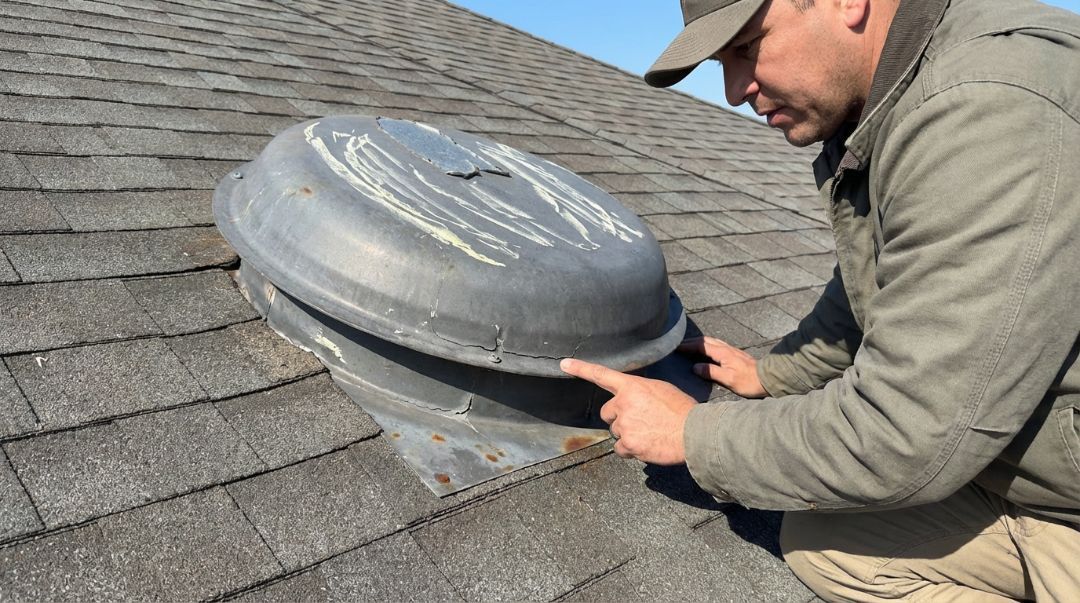
Homeowners in North Texas can reduce freeze–thaw roof damage by taking simple preventive measures. Clearing gutters, repairing loose shingles, sealing minor vulnerabilities, and inspecting flashing annually all help minimize future problems. A winter inspection ensures your roofing system remains resilient as temperatures shift.
Our down-to-earth team focuses on practical, honest recommendations. We’ll help you understand what needs immediate attention and what can wait, so you don’t face surprise repairs later in the season.
Ready to guard your home against freeze–thaw deterioration?
Schedule your winter roofing inspection with The Amish Roofer today.