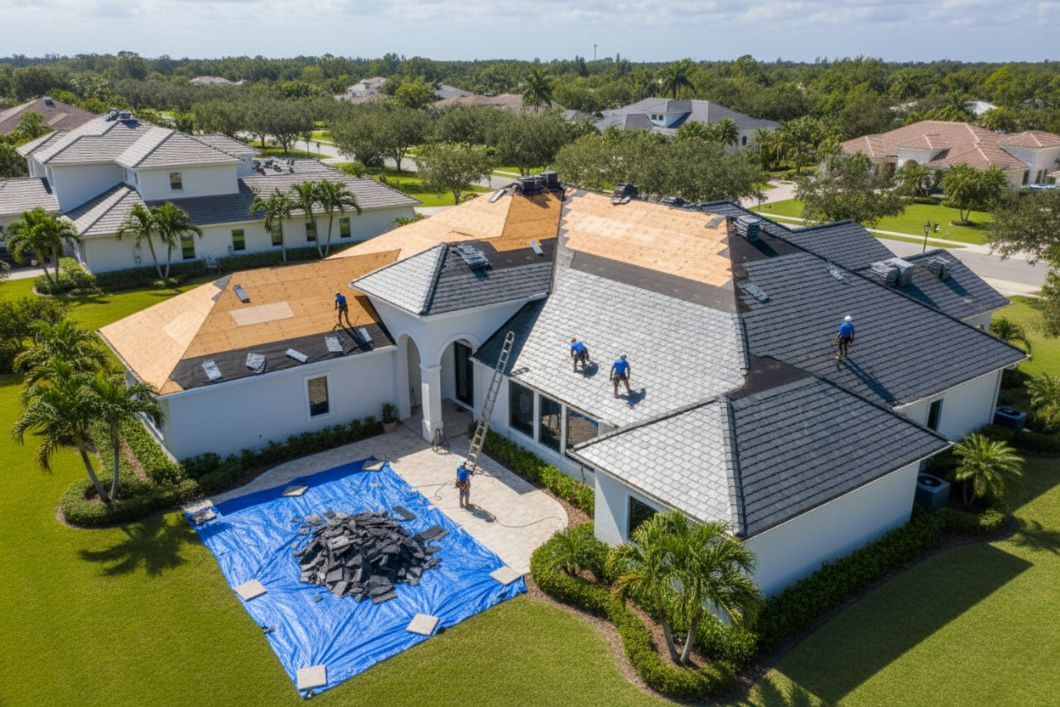
Snow Damage to Your Roof in a Texas Winter
What Homeowners Should Check After a
Winter Storm
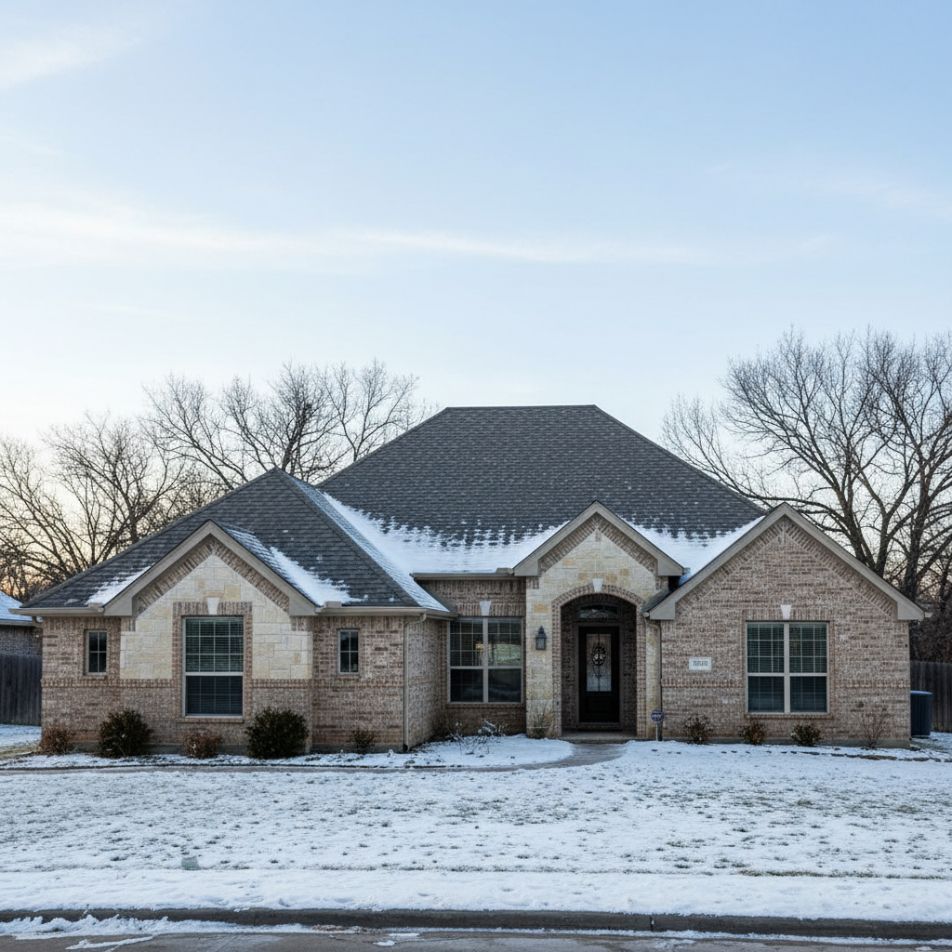
Snowstorms aren’t something most Texas homeowners plan for, but when winter weather hits, your roof often takes the brunt of it. Heavy snow, ice buildup, and freezing temperatures can expose weaknesses that may not have been visible before the storm. Even if your home looks fine from the ground, snow damage to a roof in Texas can be subtle and easy to miss—until it turns into a leak or structural issue weeks later.
If your area recently experienced snow or freezing conditions, now is the right time to assess whether your roof may have been affected. Knowing what to look for after a winter storm can help you address issues early and avoid more costly repairs down the road.
Why Snow and Ice Are a Problem for Texas Roofs
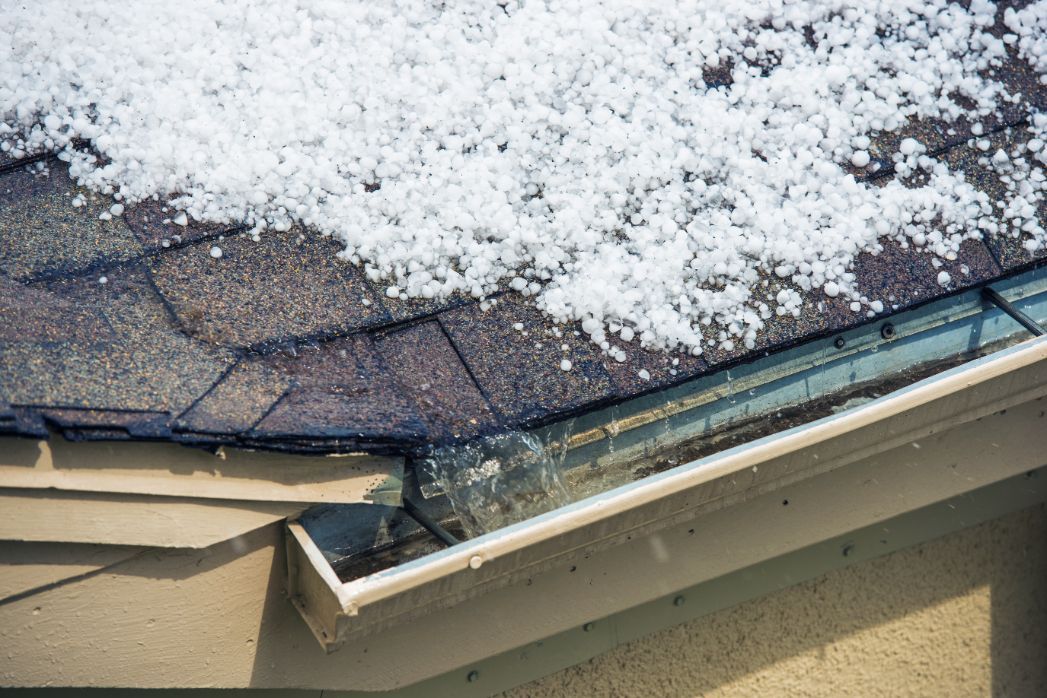
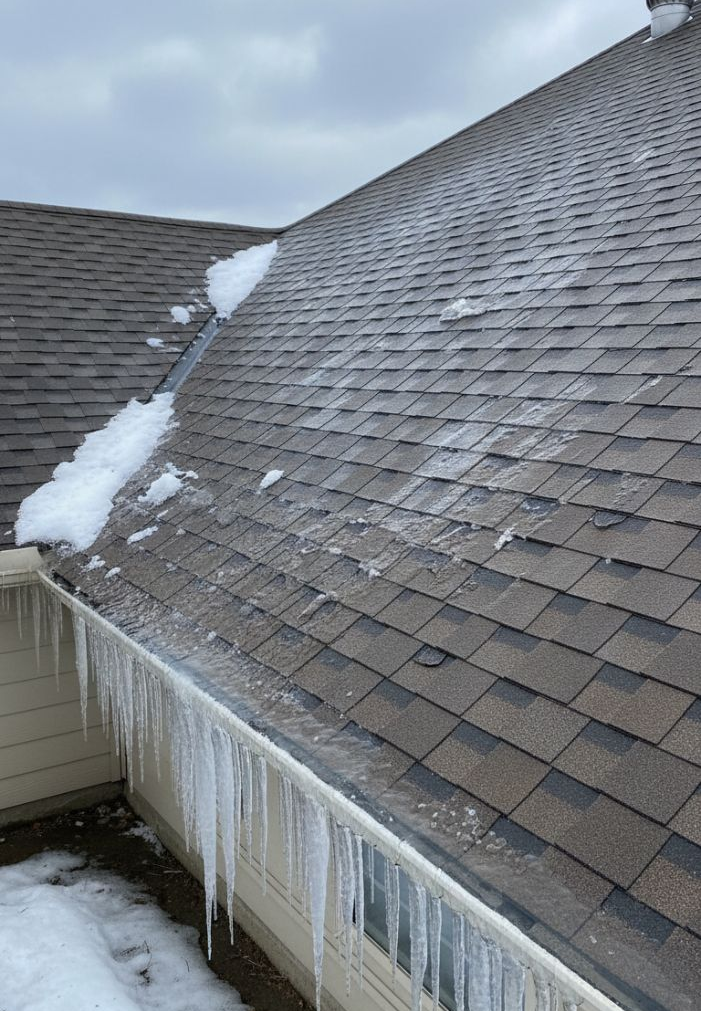
Most roofs in Texas are designed to handle heat, sun exposure, and seasonal storms—not prolonged cold or heavy snow loads. When snow accumulates, it adds unexpected weight to the roof structure. As temperatures fluctuate, melting snow can refreeze, creating ice buildup in vulnerable areas.
Common winter-related roofing issues in Texas include:
- Stress on roof decking from snow weight
- Ice forming around flashing and roof penetrations
- Expansion and contraction of shingles due to freezing temperatures
- Moisture intrusion as snow melts and refreezes
Because these conditions are less common in Texas, damage often goes unnoticed until warmer weather reveals leaks or interior water stains.
Check Your Shingles for Lifting, Cracking, or Loss
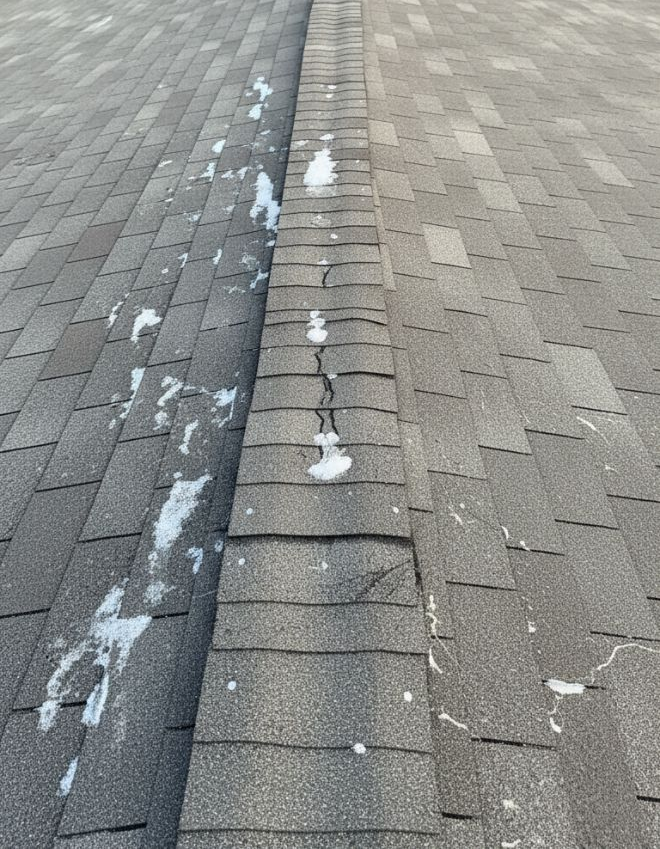
One of the first areas to inspect after a winter storm is your shingles. Freezing temperatures can make shingles brittle, especially if they were already aging or sun-damaged. As snow melts during the day and refreezes overnight, damaged shingles may lift, crack, or loosen.
Signs of winter storm roof damage include:
- Missing or displaced shingles
- Shingles that appear curled or uneven
- Granules collecting in gutters or around the base of your home
Even small shingle issues can allow water to penetrate the roof system, leading to leaks that may not appear until weeks later.
Inspect Flashing Around Chimneys, Vents,
and Valleys
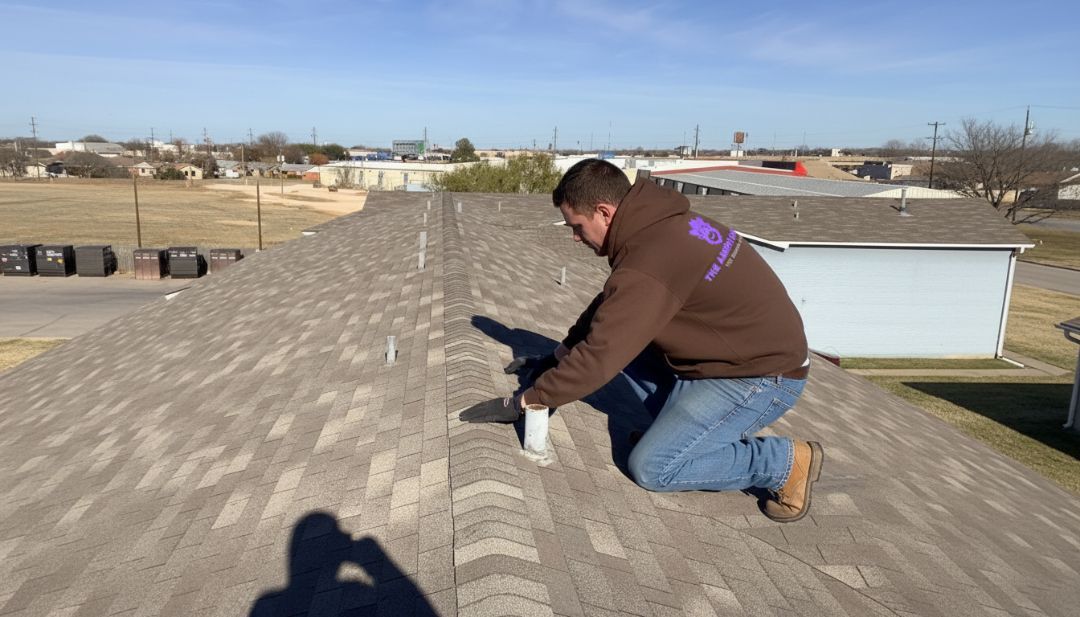
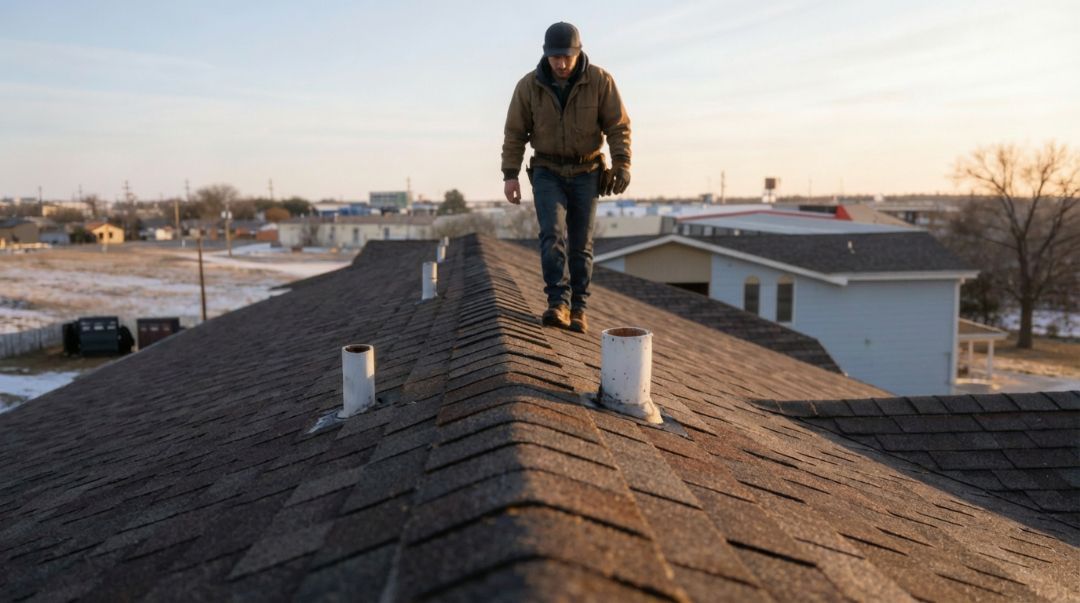
Roof flashing is designed to keep water out where roofing materials meet chimneys, vents, skylights, and valleys. Snow and ice place extra stress on these areas, especially if ice forms and expands as it freezes.
After a snowstorm, flashing may:
- Separate from the roof surface
- Crack due to temperature changes
- Allow water to seep underneath during snowmelt
Flashing problems are one of the most common causes of roof leaks after winter storms, and they often require a trained eye to identify correctly.
Look for Interior Signs of Roof Damage
Not all roof damage is visible from the outside. In many cases, the first signs of winter storm roof damage show up inside your home once snow begins to melt.
Check your interior spaces for:
- Water stains on ceilings or walls
- Damp spots in the attic
- Mold or mildew odors
- Dripping or moisture near light fixtures or vents
If you notice any of these signs, it’s important to
act quickly. Water intrusion can spread and damage insulation, drywall, and framing before it becomes obvious.
Gutters and Drainage Systems Matter After Snow
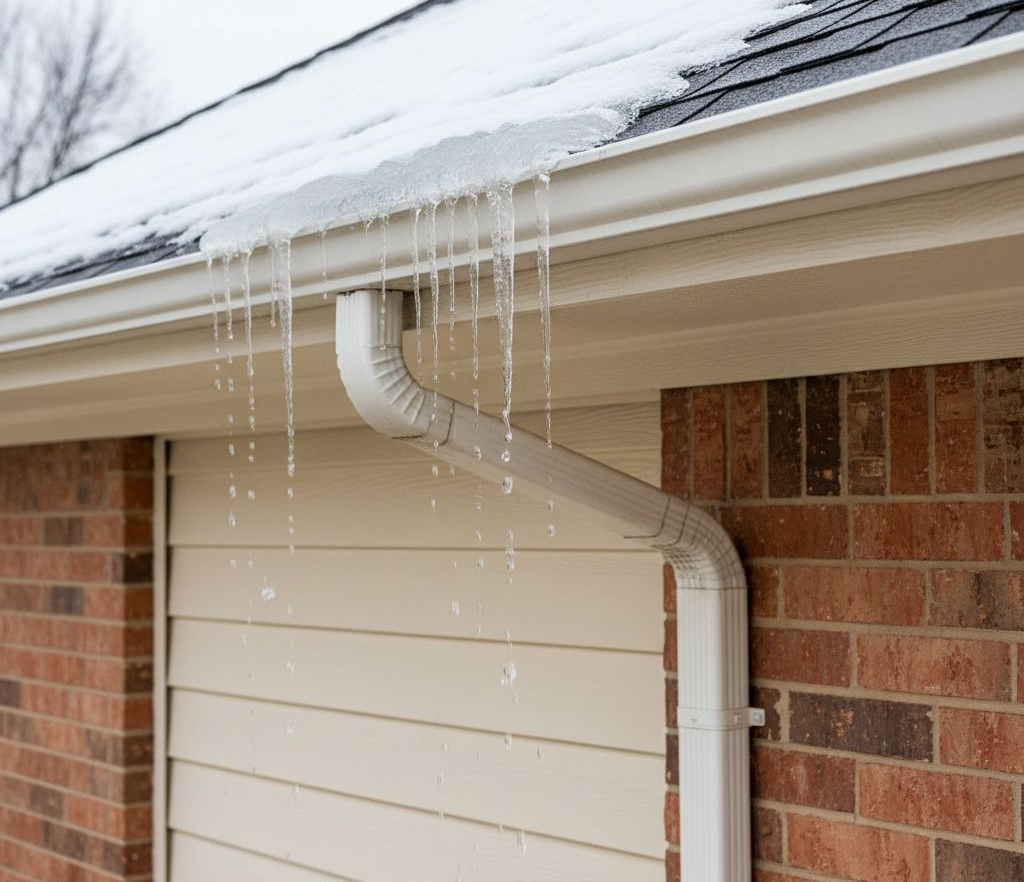
Gutters play a critical role during snowmelt. If gutters are clogged or damaged, melting snow may back up under the roof edge, increasing the risk of leaks.
After a winter storm, check for:
- Gutters pulling away from the roofline
- Ice buildup inside gutters
- Bent or damaged downspouts
- Standing water near your foundation
Proper drainage helps protect both your roof and your home’s structure once temperatures rise.
Hidden Roof Damage Can Appear Weeks Later
One of the biggest challenges with snow damage to a roof in Texas is timing. Damage doesn’t always show up immediately. As temperatures warm and spring rain arrives, small issues caused by winter weather can quickly escalate.
Common delayed problems include:
- Slow leaks that worsen over time
- Rotting roof decking
- Compromised insulation
- Mold growth inside attic spaces
This is why
professional roof inspections after a winter storm are so important, even if your roof appears intact.
When to Schedule a Professional Roof Inspection
If your area experienced snow, ice, or extended freezing temperatures, scheduling a roof inspection is a smart preventive step. A professional roofing contractor can safely assess areas that are difficult or dangerous to inspect on your own and identify damage before it becomes costly.
A post-snow roof inspection typically includes:
- Shingle and flashing evaluation
- Structural assessment for sagging or stress
- Gutter and drainage review
- Leak detection and moisture checks
Early detection can save you from emergency repairs later in the year, especially before spring storms and hail season arrive.
Schedule a Post-Storm Roof Inspection With
a Trusted Local Roofer
Snow may be rare in Texas, but the damage it causes can linger long after it melts. If your home was exposed to recent winter weather, now is the time to make sure your roof is still protecting what matters most.
The Amish Roofer provides professional roof inspections, storm damage assessments, and reliable roofing repairs for homeowners in Decatur, TX and surrounding areas. With a commitment to quality craftsmanship and honest service, our team helps identify issues early and recommend the right solutions—never unnecessary repairs.
If you’re unsure whether your roof was affected by the recent snowstorm,
schedule a professional inspection today and gain peace of mind before the next season arrives.